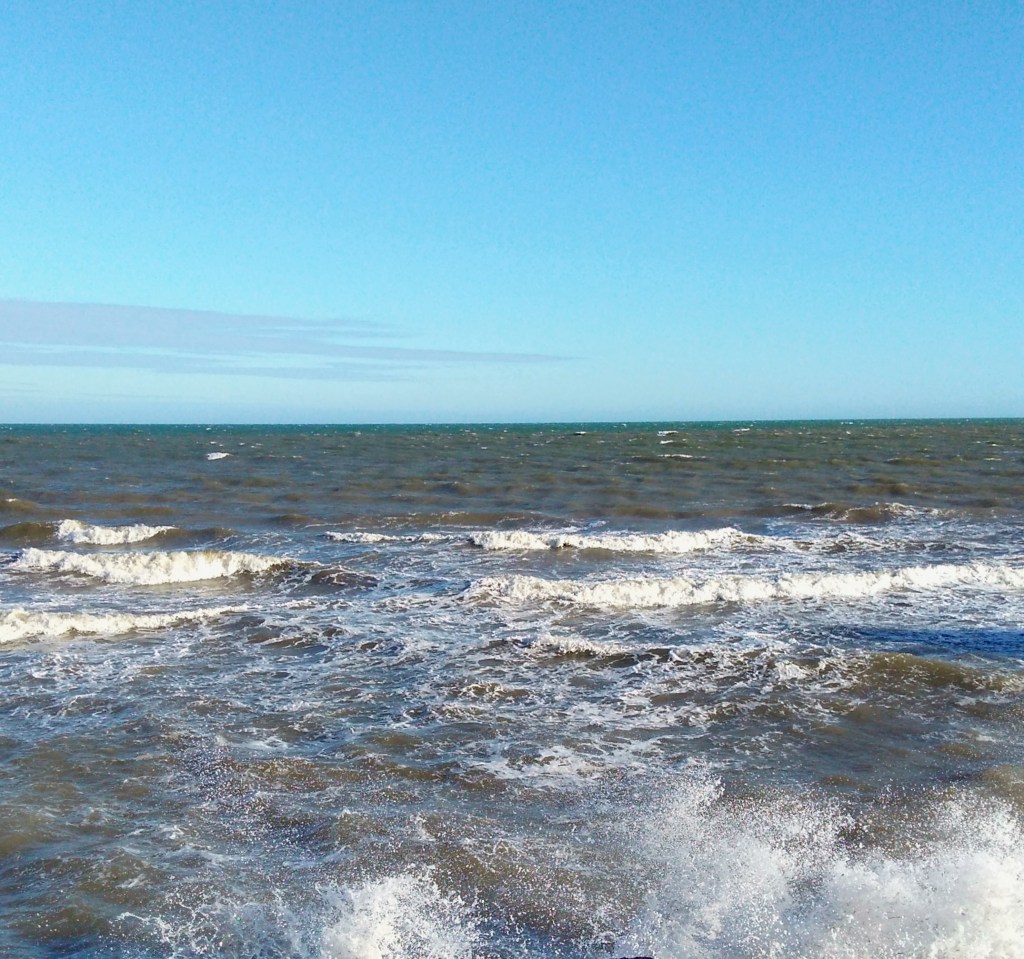
June 8 is World Ocean Day!
How many oceans can you name? Do you know where they all are? Interestingly, with the Earth being mainly water – around 70% of our planet’s surface – it’s sometimes a challenge to figure out where one ocean ends and another begins. Take the Southern Ocean, for example. The definition of this ocean has changed dramatically over the decades, and is now nominated as the ocean around Antarctica. Before this, it extended much further north.
But it really doesn’t matter too much about what we humans name the oceans, because they all do much the same thing. As well as all the lovely things we humans get to do in the ocean – swim, play, sail and fish among them – they also provide ecosystems for our sea life, provide humans with food and some people with livelihoods.
More importantly, oceans make about half of the oxygen on our planet, absorb 90% of the heat, and remove carbon dioxide from the atmosphere.
Wow.
Now it becomes apparent that more than bringing happiness, food and jobs, the health of our oceans is critical for our very survival.
But our activities mean that coral reefs are bleaching, algae is blooming, and plastic is causing untold damage to wildlife. Climate change is heating our oceans up, with a terrible record heat event in 2023. Chemical run-off is poisoning our beautiful blue seas.
Take a breath. Remind yourself of all the things you can do. Supporting recovery from the algal bloom with part-proceeds from my book Beach Shorts a Sandthology is only one thing I do. I’ve reduced my household’s impact on the Earth dramatically, with the easy things done first, and a concerted effort to get the harder things done later.
Reduce, reuse, recycle. Find ways to minimise your use of fossil fuels. Take your rubbish home or put it in a bin. Grow some food, even just some lettuce, or herbs. Take your veggie and shopping bags to reuse over and over again. Offset the carbon you can’t reduce. Plug into renewables. Aim to put your bin out once a month. Support businesses that support the environment. Think about everything you do and wonder whether there is any other way you can do it that allows you to walk more lightly on the Earth.
Our oceans are deep and they’re wide. They hold the biggest creature to ever live, the blue whale, and the tiniest of tiny plankton. And it’s probably where life began on Earth.
They’re worth your time today, on World Ocean Day. What can you do?
If you want to find out more, look at https://www.worldoceanday.org and https://www.un.org/en/desa/5-reasons-you-should-care-about-our-ocean.
To finish, here’s the slogan for World Ocean Day, which I find beautifully inspiring:
One ocean, one climate, one future – together
So on we go
Joni
 Joni Page