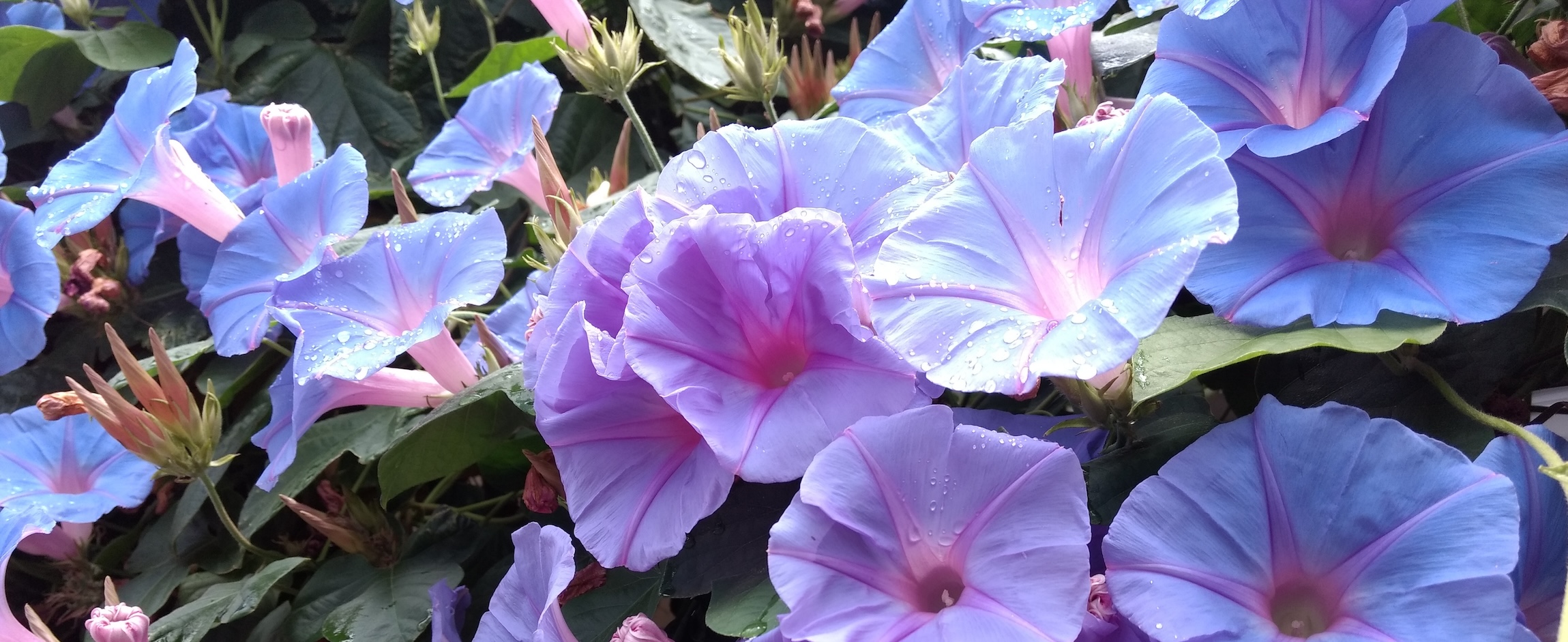
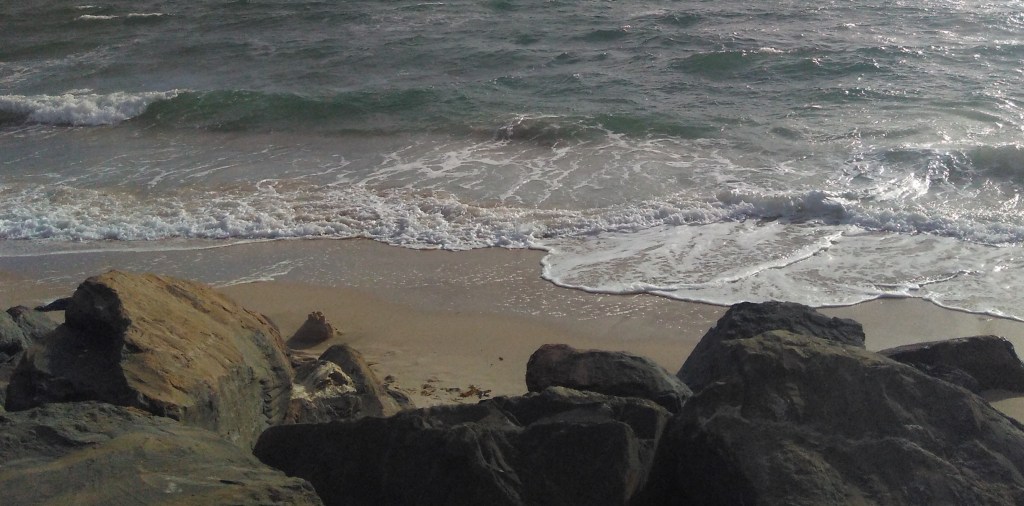
The South Australian coast is gorgeous.
It stretches up and down into urban and rural nooks and crannies. It opens wide into bays and gulfs. It ranges from rocky geological platforms containing fossils through to wide sandy strolls. It displays a wide panorama of shoreline where the ocean meets the sky.
There’s sometimes even a tiny view into its rich sea life, as fun as a dolphin pod cavorting, as big as a stingray swimming in the shallows or as small as a scurry of tiny fish. I’ve seen pelicans and even a black swan swimming in our waters.
We won’t mention the sharks!
But then in rolled the algal bloom last year. The beach was difficult for humans because of the respiratory irritation, but for our beloved sea life things were much, much worse. The horrific fish-kill filled us with grief.
Fish-kill. Not a word I grew up with, but one which unfortunately has entered our lexicon.
What a time to release our beachy-styled book.
So I did what I always do, and I got myself an education on how this tragedy was happening and whether there was anything that could be done.
It seems the mistakes of past generations has been a factor in the algal bloom blooming. The South Australian coastline was apparently once protected by many flat oyster reefs. Oysters, as you may know, are filter feeders. They actually help clean the water. But when the settlers came, they had no local knowledge and no understanding of the intricate link between these reefs and the health of our ocean. And so they overharvested them, and they dredged over them. A perfectly functioning system lay in ruins.
The algal bloom was, it seems, always on the cards.
But nature is amazing. It seeks balance. It’s the natural order of how things work, a system model that balances and counterbalances. This works in our favour. By being smart, we can collaborate with nature instead of getting in its way.
A number of organisations, alongside our governments, are working hard on this, and I’ll write about them in a later blog. This is the work we are supporting with part proceeds from our beachy book. By restoring the reefs, we are putting back what was taken away, and allowing nature to rebalance.
So on we go
Joni

