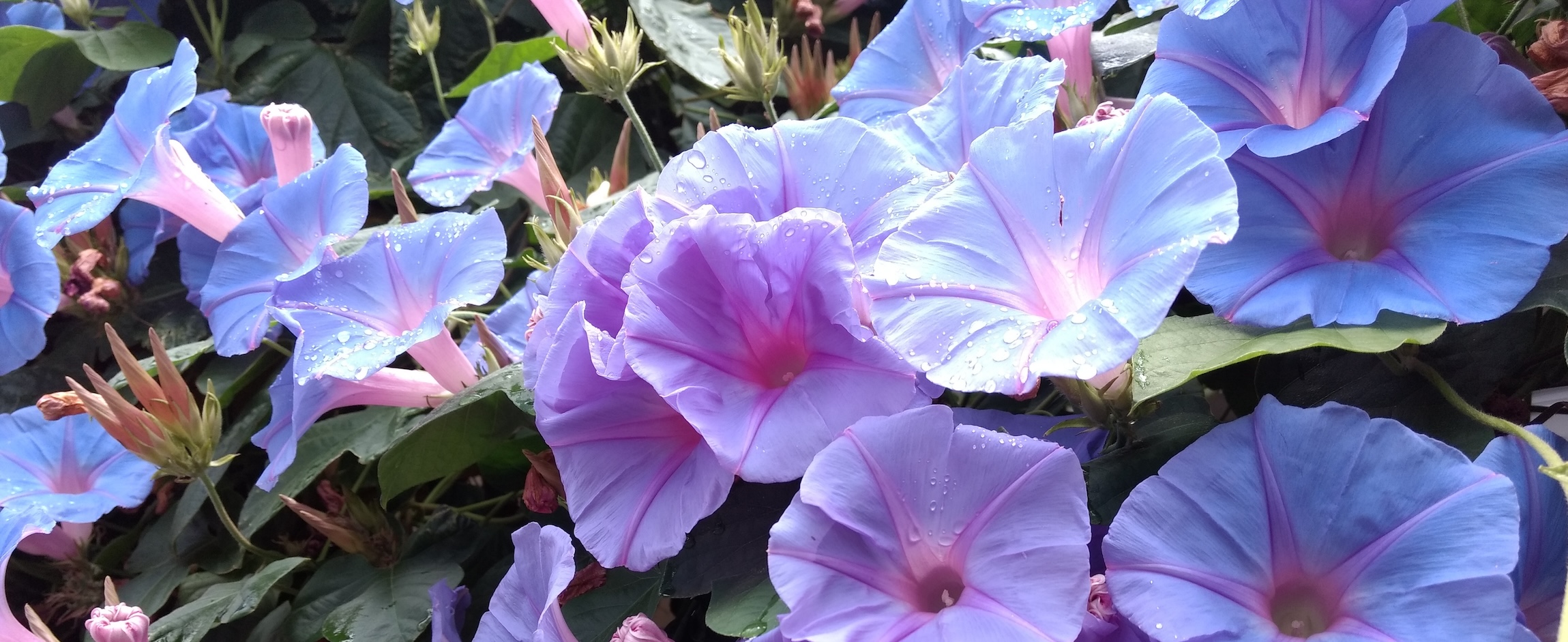
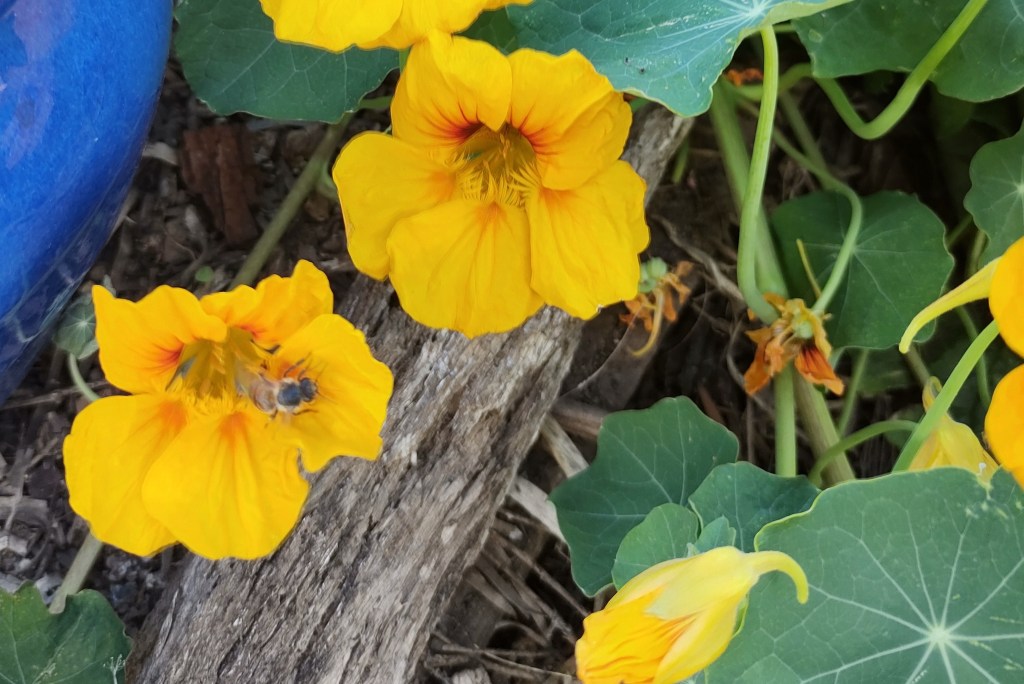
A Hollywood movie focusses on them, most of us have been stung by them, some of us are very allergic to them, they provide us with delicious honey.
Yes, I’m talking about bees.
These little critters go about their business quietly and methodically, with just a little buzz here and a little buzz there. We’ll all been told many things about them, like that stinging us is a death sentence for them, and that they shouldn’t actually be able to fly, and we all know their signature black and yellow colouring.
Here in Australia it’s only recently been brought to popular attention that we have native bees too. Everyone’s favourite seems to be the blue banded bee, which looks so surreal with its black and blue stripes, reeling slowly around the plants. But there are others too, and what a delight it is to see the cute miniature bees hovering around my garden plants.
Beyond their entertainment value, they do, of course, an excruciatingly important job – pollinating the plants that grow our food.
They face many challenges – being beseiged by aggressors such as varroamite, losing habitat as we replace nature with human-built environments, CCD – colony collapse disorder – where their little community disintegrates, and neonicotinoids, the chemicals which have proven destructive to bees’ and other insects’ health.
I believe their wonderful support of our food supply deserves a return favour. So what can we do as individuals?
If you’re growing veggies, plant some flowers as well: your veggies will approve. Let a few of your veggie plants flower. If you have lawn and a shrubbery, maybe let some dandelions grow, or grow some borage – it’s bee forage! Don’t spray artificial chemicals – there are plenty of natural alternatives to be found on the internet, and even some commercially available. Hand pull your weeds before they seed. If you live in a unit or apartment, even just a couple of pots of easy grow plants, like geraniums, lavender or rosemary, can provide a rest and refill spot for the bees. Band together with your neighbours to do the same. Even just a few homes providing a stopover can make a difference.
Put out a little saucer or bowl of water, but if it’s too deep place a pebble or rock the bees can land on, so they don’t drown.
If you have a garden, leave some bare dirt un-mulched, because some bees are solitary and make a home of their own instead of living in a hive.
These tiny things can make the world of difference to the bees. And your support will be returned to humans a thousandfold. Consider it as returning a community service. Bee happy!
 Joni Page